Public opinion about Education: ratings of schools and teachers, priorities, charter school, higher education, and more.
Education
Topics at a Glance

Issue Brief
Public Opinion and Policy Implications of Student Loan Debt Forgiveness in the U.S.
After the Servicemen's Readjustment Act of 1944, or the GI Bill, was signed into law by President Franklin D. Roosevelt, the United States experienced a significant increase in college enrollment. The GI Bill was designed to aid veterans in their readjustment to civilian life by covering the costs to pursue further education at a college or university. In the decade following the bill's enactment, the number of degrees awarded by colleges and universities in the United States more than doubled, largely due to the opportunities the bill provided (National Archives, 2022). This surge in educational access set a precedent for higher education as a pathway to economic stability and social mobility.
Public Funds, Private Education: What the Polls Say
Government aid to private schools, vouchers, private educational contractors - the lines between public and private in the world of education are ever-shifting. Policies that push these boundaries are often challenged in both the legal system and the court of public opinion. A look back at how Americans have seen the relationship between the public schools and private education:
Pay It Back: The Public and the Student Loan System
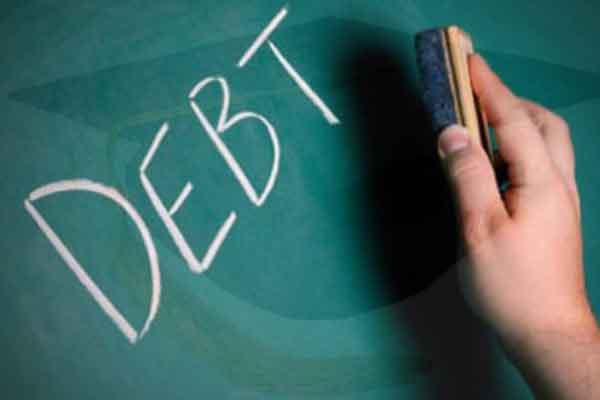
Among the Americans struggling most in the current economy are recent college grads carrying significant educational debt. As millennials navigate lowered employment prospects with larger student loans than young people of earlier decades, the U.S. system for funding higher education has come under scrutiny. What does the public think about how the country pays for college? From the Roper Center Archives:
Related Data
Special Education in Public Schools
This one-of-a-kind Public Agenda Foundation poll asks about the unique concerns and experiences that parents of special needs children have, especially regarding special education.
Charts & graphics
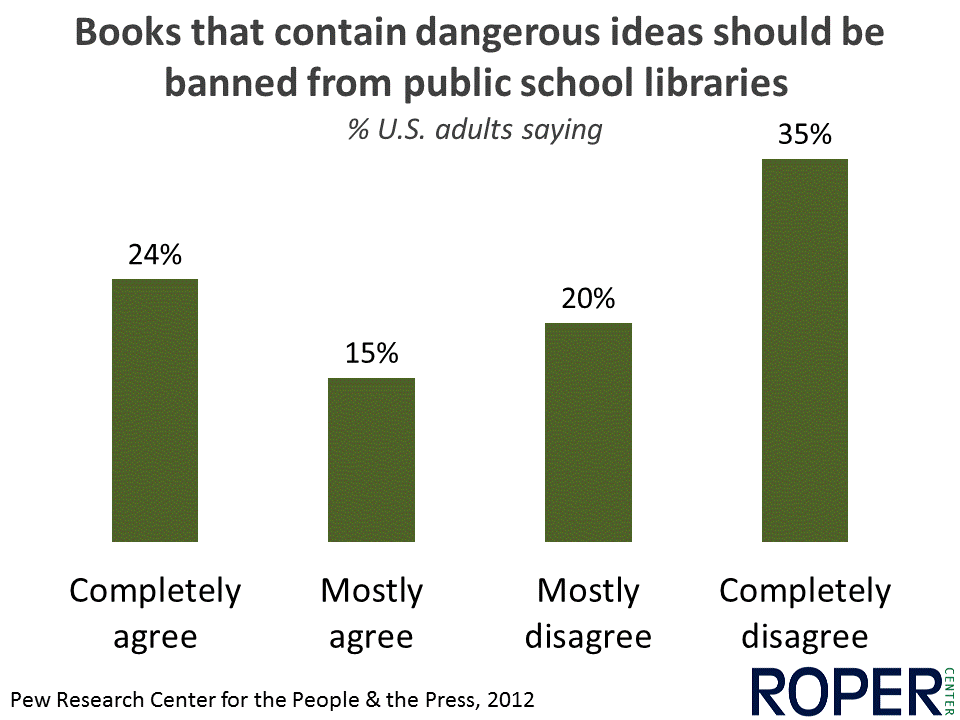
Should “dangerous” books be banned?